













Battle Report: Treatment of Atypical Newcastle Disease
Release Time : 2026-03-10
Author : Hebei Jinfeng Animal Pharmaceutical Co., Ltd.

Scan to share on WeChat
In WeChat, tap 'Discover' and scan
Scan the QR code to share to Moments.

1.Case Background
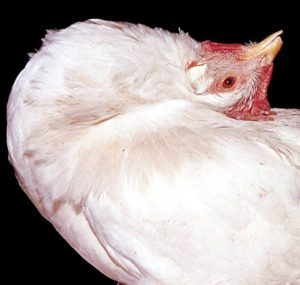
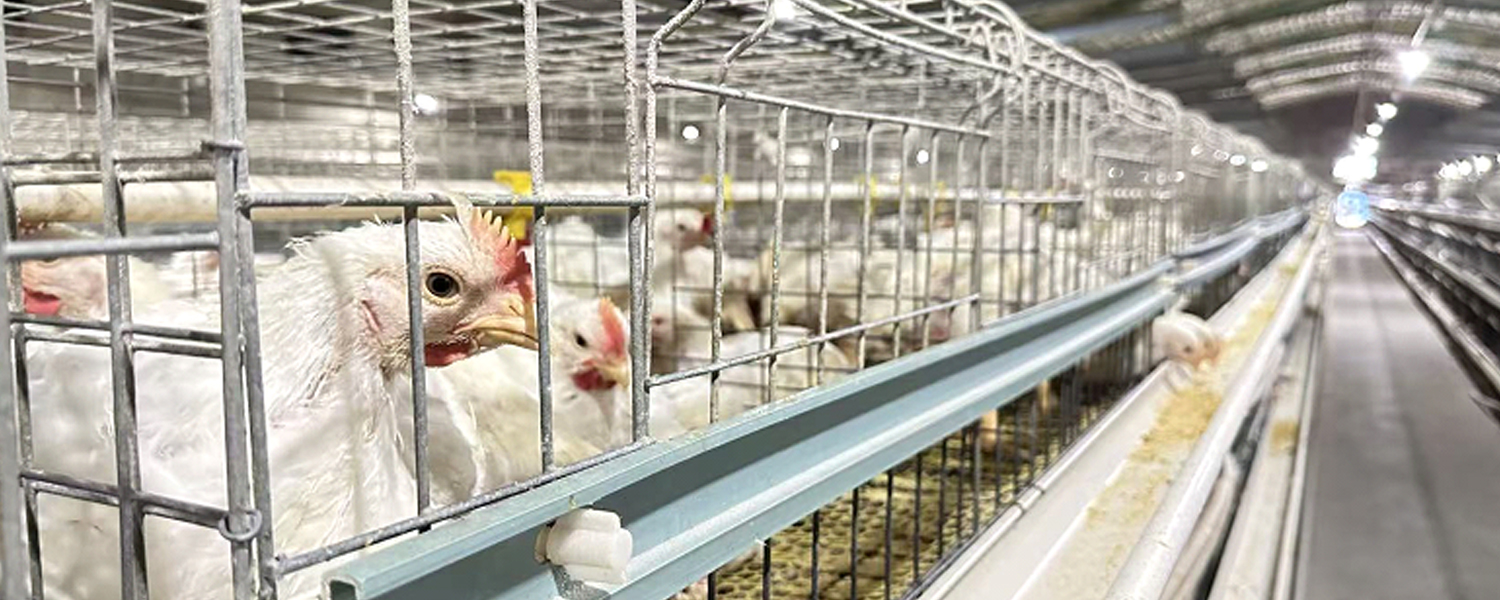
A farm in Shandong Province, 23-day-old white-feathered broilers. The flock showed no obvious abnormalities overall, but sporadic lethargic birds were observed with greenish diarrhea. Each shed housed 46,000 birds, with daily mortality and culling around 120 birds. Around 20 days of age is the immunological window period for white-feathered broilers. According to the normal vaccination schedule, live attenuated Newcastle disease vaccine should be administered at 20 days of age. However, due to prevalent diseases, especially widespread influenza, vaccination was withheld for safety reasons.
2.Pathological Findings
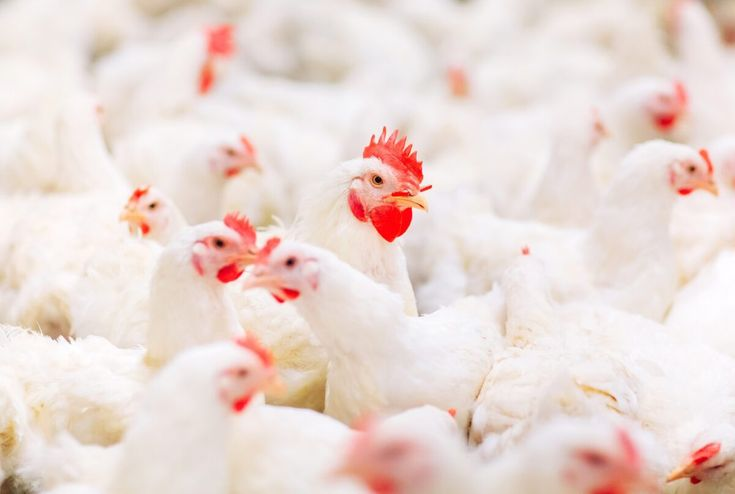
Necropsy findings: Pinpoint hemorrhages on the larynx; lymphoid follicles at the duodenum, yolk stalk, and ileum showed swollen, date pit-like lesions with hemorrhage; streaky hemorrhages in the rectum.
3.Diagnosis and Treatment
Treatment: "JUXIAN Antiviral WSP", 1 bag per 300 liter of water, administered for 4 consecutive days. By day 3 of treatment, mortality and culling decreased to 55 birds. Antibodies from the Newcastle disease oil-emulsion vaccine administered at 7 days of age began to rise gradually at this point.
4.Discussion and Analysis
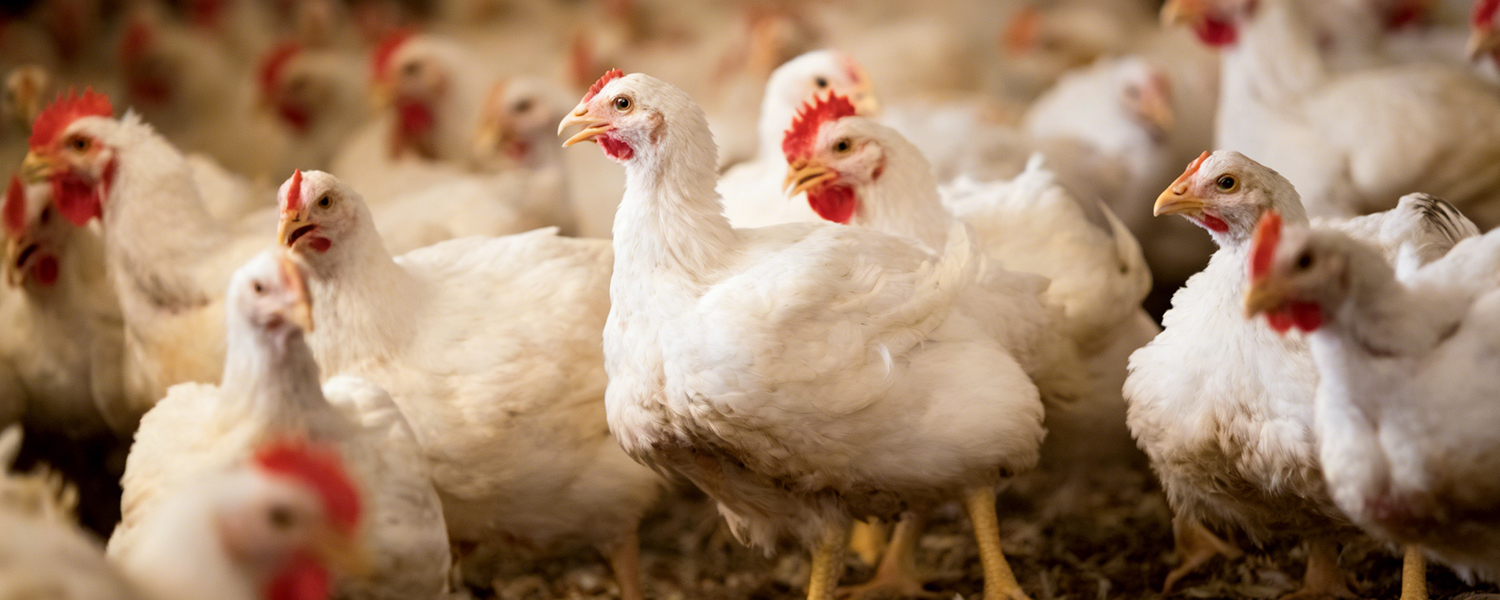
"JUXIAN Antiviral WSP" class drugs may have exerted therapeutic effects through mechanisms such as viral replication inhibition and immune modulation. Meanwhile, the gradual establishment of oil-emulsion vaccine antibodies also contributed to disease control.
Prevention and Control Implications:

During high-disease prevalence seasons, especially for large-scale farms, cautious evaluation is required before administering live attenuated vaccines around 20 days of age. If the flock is in the incubation period of disease, vaccination may trigger disease outbreak and increased mortality. Therefore, when formulating vaccination programs, factors such as maternal antibody levels, environmental risks, and vaccine characteristics should be considered to flexibly adjust vaccination timing or adopt safer immunization strategies (such as delayed vaccination or inactivated vaccine boosting) to reduce risks.


Related News






contact us
contact us